Neurological Evaluations
A thorough clinical assessment of neurological symptoms, cognitive function and injury-related concerns — the foundation of every care plan at Neuro Trauma Institute.
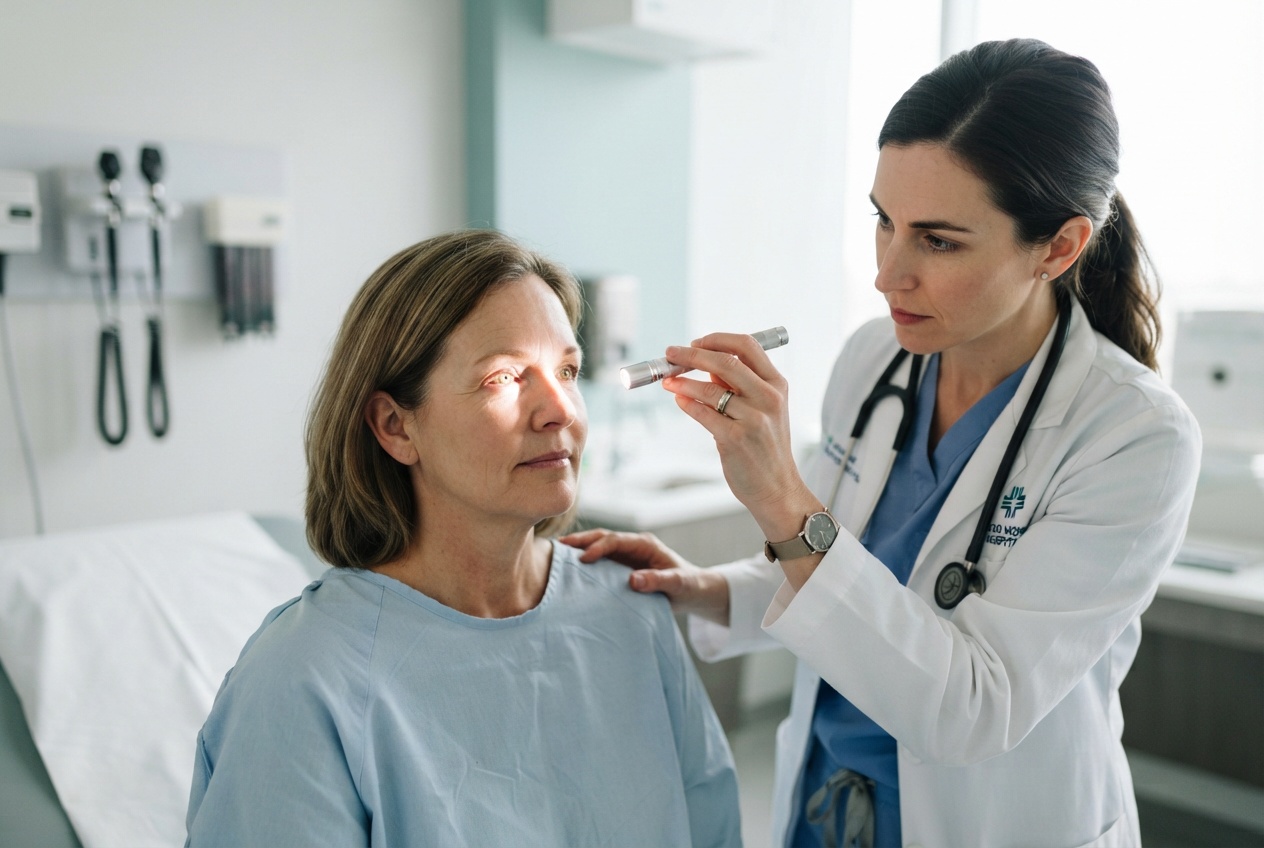
Understanding how an injury has affected the nervous system
After a car accident, fall, workplace incident or sports injury, symptoms such as headaches, dizziness, numbness, changes in vision or difficulty thinking clearly can be difficult to interpret. A neurological evaluation is a structured clinical examination designed to assess how the brain, spinal cord and peripheral nerves are functioning and to determine whether symptoms are consistent with an injury to the nervous system.
At NTI, the neurological evaluation is more than a single examination. It brings together a detailed account of how the injury occurred, a careful timeline of symptoms, a review of prior records and a hands-on examination. The goal is to establish a clear clinical picture, identify which additional tests — if any — are appropriate, and recommend a treatment pathway tailored to the individual.
Symptoms and concerns evaluated
Neurological evaluations are appropriate for a broad range of symptoms that begin or worsen after a traumatic event, including:
How the evaluation works
Injury and medical history
Your clinician reviews the mechanism of injury, whether there was a loss or alteration of consciousness, prior head injuries, existing medical conditions, medications and any emergency or imaging records available.
Symptom inventory
Standardized questionnaires capture the type, severity and pattern of physical, cognitive, emotional and sleep-related symptoms, establishing a baseline for tracking change over time.
Neurological examination
The examination assesses mental status, cranial nerves, eye movements, strength, sensation, reflexes, coordination, gait and balance. Each component helps localize where a problem may originate.
Clinical impression and testing plan
Findings are synthesized into a clinical impression. When appropriate, additional testing such as cognitive assessment, qEEG brain mapping or referral for neuroimaging may be recommended.
What patients can expect
An initial neurological evaluation typically takes longer than a standard office visit, allowing time for a complete history and examination without being rushed. The examination is noninvasive and generally not uncomfortable, although some balance or eye-movement tasks may temporarily provoke symptoms such as dizziness — your clinician will monitor you closely and pause whenever needed.
At the conclusion of the visit, your clinician will discuss preliminary findings, explain which further tests may be helpful and why, and outline the next steps. A written summary is prepared for your records and, with your authorization, shared with your referring provider.
A neurological evaluation is a clinical assessment. Some conditions require additional testing or imaging to confirm, and some brain injuries do not appear on standard imaging. Findings are always interpreted in the context of your full history.
Frequently asked questions
Do I need a neurological evaluation if my emergency room scan was normal?
A normal CT scan is reassuring for certain serious injuries such as bleeding, but it does not rule out a concussion or other functional changes in brain activity. If symptoms persist or interfere with daily life, a neurological evaluation can help clarify their source and guide care.
How soon after an injury should I be evaluated?
Any severe or worsening symptoms — such as a worsening headache, repeated vomiting, confusion, weakness or seizure — require immediate emergency care. For ongoing but stable symptoms, an evaluation in the days to weeks after injury allows timely guidance. Evaluation is still valuable months later if symptoms persist.
What should I bring to my appointment?
Bring a photo ID, a list of current medications, any emergency department or imaging reports, and the names of providers you have seen since the injury. Our appointment preparation guide provides a full checklist.
Will I receive a diagnosis at my first visit?
Your clinician will share a clinical impression at the end of the visit. In some cases a working diagnosis is clear; in others, additional testing is needed before conclusions can be drawn responsibly.