Traumatic Brain Injury (TBI)
A disruption in normal brain function caused by an external force — ranging from mild to severe, and affecting physical, cognitive and emotional health.
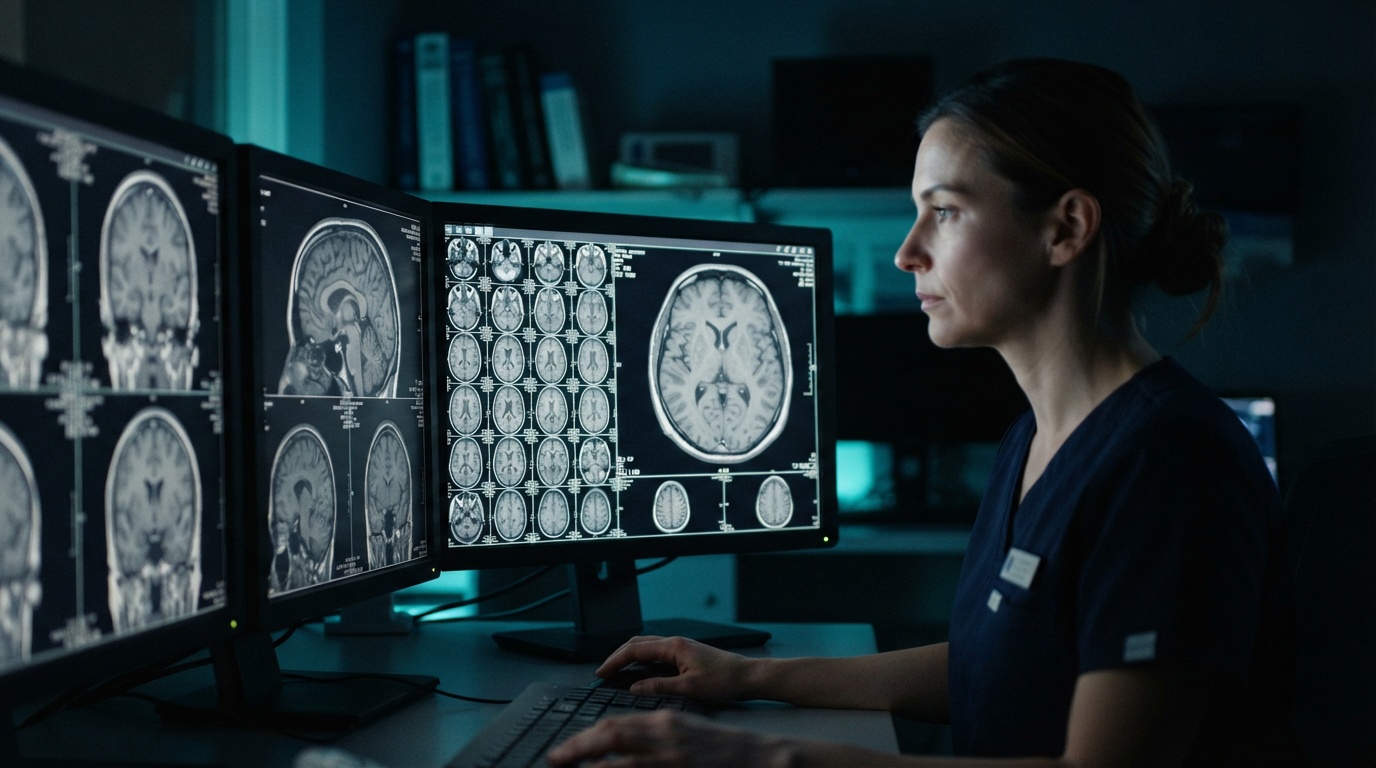
What is a traumatic brain injury?
A traumatic brain injury occurs when a bump, blow or jolt to the head — or a penetrating injury — disrupts the normal function of the brain. Common causes include motor vehicle collisions, falls, workplace incidents, sports injuries and assaults. Injury may result from direct impact or from rapid acceleration and deceleration that causes the brain to move within the skull, stretching nerve fibers and disrupting brain chemistry.
TBI is generally classified by severity at the time of injury:
Mild
Brief or no loss of consciousness and short-lived confusion or memory gap. Includes concussion. Standard imaging is often normal. Learn about mTBI.
Moderate
Longer loss of consciousness or post-traumatic amnesia; imaging may show abnormalities.
Severe
Prolonged unconsciousness or amnesia, typically requiring acute hospital and intensive rehabilitation care.
Severity at the time of injury helps guide early care, but it does not fully predict how an individual will feel or function later. Some people with mild injuries experience lasting symptoms, while recovery after more significant injuries varies widely.
Common symptoms
Physical
- Headaches
- Dizziness and balance problems
- Fatigue
- Nausea
- Vision changes
- Sensitivity to light or noise
Cognitive
- Memory difficulties
- Slowed thinking
- Trouble concentrating
- Difficulty with planning and organization
- Word-finding problems
Emotional & behavioral
- Irritability
- Anxiety or depression
- Mood swings
- Reduced frustration tolerance
Sleep
- Insomnia
- Sleeping more than usual
- Unrefreshing sleep
How TBI is evaluated
There is no single test for TBI. Diagnosis is clinical, built from several sources of information:
- Detailed injury history — mechanism, loss or alteration of consciousness, memory gaps and immediate symptoms.
- Neurological examination — assessment of cranial nerves, eye movements, strength, sensation, coordination and balance.
- Cognitive assessment — standardized measurement of memory, attention and processing.
- Neuroimaging — CT or MRI when clinically indicated, primarily to identify structural injury.
- Supportive testing — such as qEEG brain mapping, interpreted alongside clinical findings rather than as standalone proof of injury.
Potential treatment options
Treatment is tailored to each person's symptoms and goals and may include:
Seek emergency care immediately for a worsening headache, repeated vomiting, seizures, increasing confusion, slurred speech, weakness or numbness, unequal pupils, or unusual drowsiness after a head injury.
Frequently asked questions
Can symptoms of TBI appear days after the injury?
Yes. Some symptoms are noticeable immediately, while others — such as concentration problems, sleep changes or mood effects — may become apparent days or weeks later, particularly when a person returns to work or normal demands.
Will I fully recover?
Recovery varies significantly between individuals and depends on many factors. Many people improve substantially with time and appropriate care. Your clinicians will discuss your specific situation, but no outcome can be guaranteed.
Is a TBI the same as a concussion?
A concussion is a type of mild TBI. All concussions are TBIs, but not all TBIs are concussions.