Concussion Management
Active, individualized care that targets the specific systems affected by concussion and guides a safe, stepwise return to work, school, driving and exercise.
From rest-and-wait to active recovery
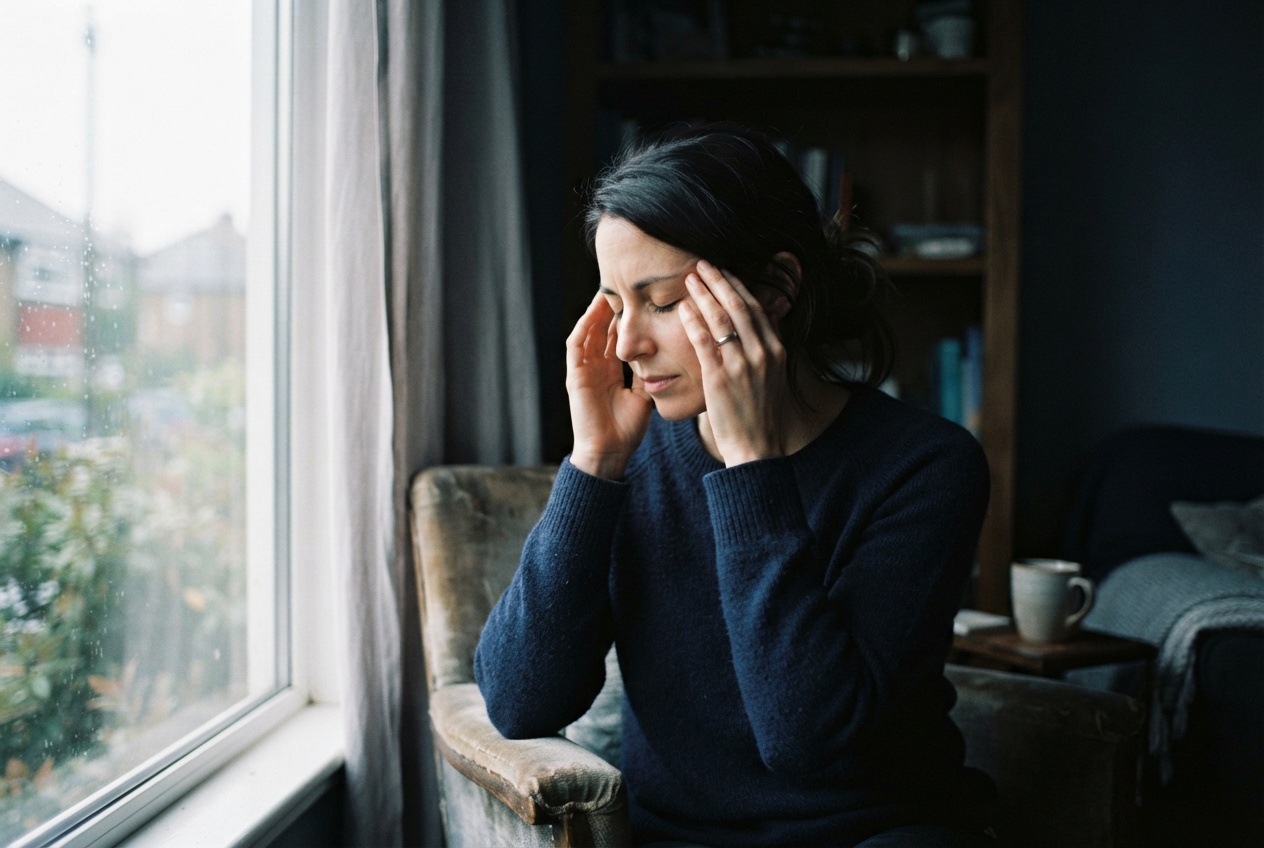
Concussion care has evolved. Rather than prolonged rest in a dark room, current clinical guidance generally favors a brief period of relative rest followed by a gradual, symptom-guided return to activity, combined with targeted treatment for the specific problems a patient is experiencing.
Concussion management at NTI is based on the findings of a structured concussion evaluation. If dizziness is the primary issue, vestibular care is emphasized; if headaches dominate, treatment targets headache; if concentration and fatigue are limiting, cognitive pacing and graded exposure take priority. Most patients have more than one area to address.
Symptoms managed
- Headaches
- Dizziness and imbalance
- Visual strain and blurred vision
- Light and noise sensitivity
- Fatigue and low energy
- Difficulty concentrating
- Irritability and anxiety
- Sleep disruption
Components of care
Education and reassurance
Understanding what a concussion is, what to expect and how to recognize warning signs reduces uncertainty, which can itself ease symptoms.
Graded activity plan
A personalized progression of physical and cognitive activity, often including sub-symptom-threshold aerobic exercise when appropriate.
Targeted therapies
Coordination of vestibular, visual or cervical spine therapy, headache management and sleep strategies based on your symptom profile.
Return-to-work and school planning
Written recommendations for temporary adjustments such as reduced hours, breaks, or reduced screen time, followed by gradual return to full duties.
Emotional support
Brief psychological support where anxiety, low mood or stress are slowing recovery.
What patients can expect
Follow-up visits monitor symptom scores and function so that the activity plan can be advanced safely. It is normal for symptoms to rise mildly with new activity and then settle; your clinician will teach you how to tell the difference between an expected, temporary increase and a sign to slow down.
When symptoms persist longer than expected, care expands to include further evaluation for contributing factors. See post-concussion syndrome for more.
Frequently asked questions
Should I avoid screens completely after a concussion?
Limiting screen time in the first days can help, but complete avoidance for long periods is not usually necessary. Your clinician will help you reintroduce screens gradually.
Is it safe to exercise after a concussion?
Light, supervised aerobic activity that does not significantly worsen symptoms is often beneficial after the initial period. Contact activities and those with a risk of falls should wait until you are cleared.
Can you provide recommendations for my employer or school?
Yes. Clinical recommendations for temporary adjustments can be provided as part of your care, with your consent.
What if I had a concussion before?
A history of prior concussions is important information. It may influence recovery and decisions about return to high-risk activity, so please share it at your evaluation.