Post-Concussion Syndrome
When concussion symptoms continue well beyond the typical recovery period, a comprehensive, multidisciplinary approach can help identify what is sustaining them.
When recovery takes longer than expected
Most people recover from a concussion within a few weeks. When symptoms persist for longer — often described as beyond about one to three months — clinicians may use the terms post-concussion syndrome (PCS) or persistent post-concussive symptoms.
Persistent symptoms are rarely caused by a single factor. Ongoing effects of the brain injury may combine with untreated vestibular or visual problems, neck injury, disrupted sleep, migraine tendency, pain, anxiety, depression or post-traumatic stress. Each of these can sustain or amplify symptoms, and each is treatable. Identifying them is the key to moving recovery forward.
Common persistent symptoms
- Chronic or recurring headaches
- Ongoing dizziness
- Brain fog
- Memory and concentration problems
- Cognitive fatigue
- Light and noise sensitivity
- Sleep disturbances
- Irritability and mood changes
- Anxiety or depression
- Reduced tolerance for exercise or screens
How it is evaluated
Evaluation for persistent symptoms is broader than for acute concussion, looking specifically for treatable contributors:
- Full neurological evaluation with vestibular, oculomotor and cervical assessment
- Cognitive assessment to measure specific deficits and track change
- Screening for headache type, sleep disorders, mood, anxiety and post-traumatic stress
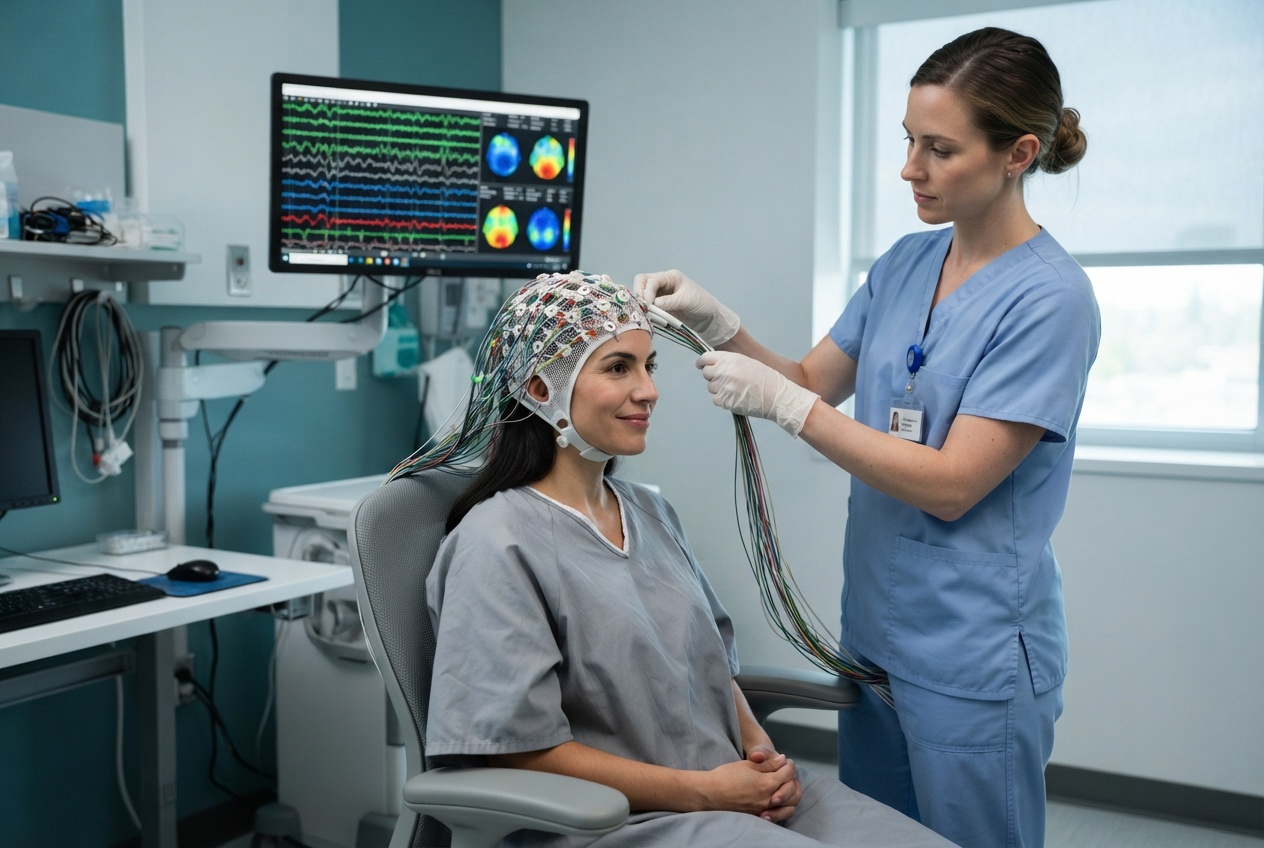
- qEEG brain mapping when clinically appropriate, as supplementary information
- Review of prior imaging, and referral for further imaging when indicated
Potential treatment options
Treatment addresses each identified contributor within one coordinated plan, which may include:
Persistent symptoms can be discouraging, but they are not a sign that recovery is impossible. Progress varies between individuals and cannot be guaranteed; a structured, multidisciplinary approach offers the best opportunity to address the factors involved.
Frequently asked questions
Does PCS mean I have permanent brain damage?
Not necessarily. Persistent symptoms often reflect a combination of factors, many of which respond to targeted treatment. Your evaluation will help clarify what is contributing in your case.
Why do my symptoms get worse when I'm stressed or tired?
Stress, poor sleep and fatigue all place additional demands on the brain and commonly amplify post-concussive symptoms. Addressing them is an important part of treatment.
Is it too late to get help a year after my concussion?
No. Many contributors to persistent symptoms can be identified and treated at any stage.